This article is based on Meta’s official Transparency Center ranking guidance and Facebook for Creators resources, along with verified 2026 research from Buffer and SocialPilot on Facebook algorithm signals and posting consistency.
📅 Published: September 23, 2026
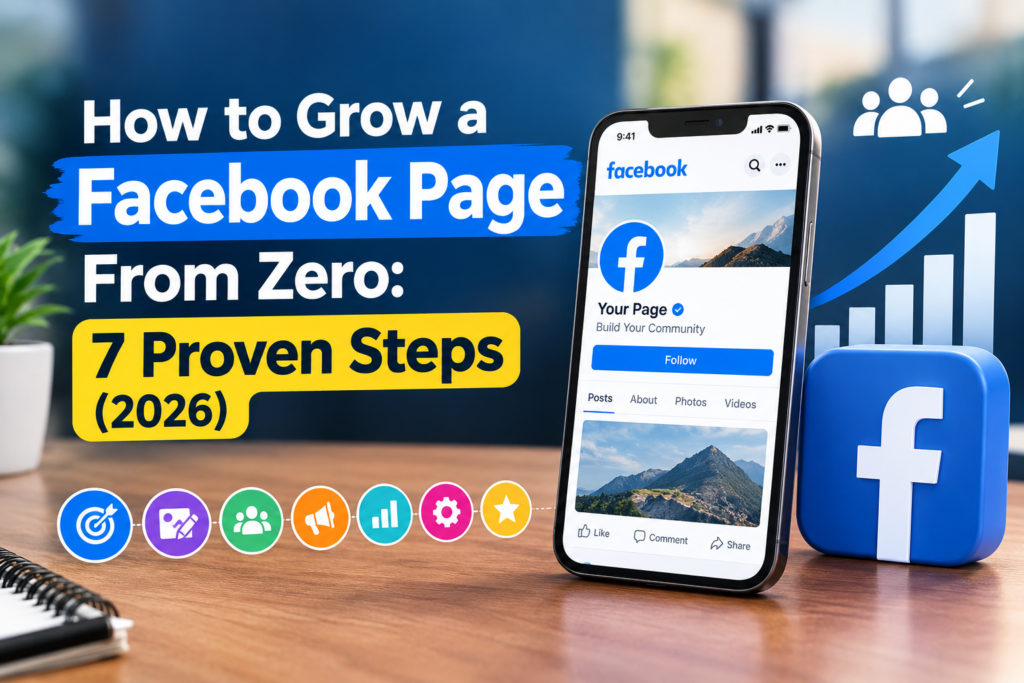
You post something on your Facebook Page. You check back an hour later. Two likes, maybe one comment from someone you already know. That’s what starting a Facebook Page at zero followers usually looks like, and after a week or two of it, most people start wondering if the algorithm has just decided their Page doesn’t matter.
It hasn’t. Facebook ranks each post mostly on how people react to it — comments, shares, how much of a video gets watched — not on how many followers a Facebook Page has going in. Anyone trying to grow a Facebook Page from a brand-new start actually skips a problem older Pages deal with: months of inconsistent posting or the wrong kind of content, which teaches the algorithm bad habits that take time to undo. Zero followers, in that sense, is a clean start.
This guide covers what actually helps you grow a Facebook Page from zero in 2026 — the setup steps that matter, what the algorithm is really paying attention to, and where people waste time on things that don’t help.
Table of Contents
- Why Starting From Zero Isn’t the Disadvantage It Looks Like
- Step 1: Pick One Specific Niche Before Anything Else
- Step 2: Set Up and Optimize Your Facebook Page Properly
- Step 3: Build Your Content Around Reels
- Step 4: Understand What Facebook’s Algorithm Is Actually Measuring
- Step 5: Track What’s Working Before You Scale Anything
- Step 6: Post Consistently, Not Constantly
- Step 7: Engage With Your Niche Daily
- Should You Boost Posts While Still Growing From Zero?
- Mistakes That Keep New Pages Stuck at Zero Followers
- How Long This Realistically Takes
- Conclusion
- FAQs
- Sources
Why Starting From Zero Isn’t the Disadvantage It Looks Like
An older Facebook Page that’s drifted between topics or gone quiet for a few months carries that history with it — Facebook has already learned who not to show it to. A new Facebook Page doesn’t have that problem. It has to figure out what the Page is about from scratch, based only on what actually gets posted.
The downside is obvious: zero followers also means zero social proof. Nobody’s commenting yet, nobody’s sharing yet, so the first several posts are doing double duty — trying to earn attention from real people and from the algorithm at the same time. The steps below are exactly how you grow a Facebook Page through that early stretch.
Step 1: Pick One Specific Niche Before Anything Else
This decides more than anything else on this list. Facebook’s ranking system tries to match content to what a specific person is likely to care about, using thousands of behavioral signals built up from their own activity. A Facebook Page that posts about food one week, fitness the next, and local news after that doesn’t give the algorithm anything consistent to work with — so it can’t confidently show that content to anyone in particular.
A narrow niche fixes this. Not “food,” but something like “quick 20-minute dinners for busy parents.” That specificity is what lets Facebook figure out who should see the Page, and it’s also what tells a visitor in two seconds whether the Page is worth following.
Step 2: Set Up and Optimize Your Facebook Page Properly
Facebook Pages are created and managed through Meta Business Suite, which works the same whether it’s opened in a browser on a laptop or PC, or through the Meta Business Suite app on Android or iPhone. Most people find the initial setup — Page name, category, About section — easier to do on a computer, then switch to the mobile app afterward for replying to comments and posting on the go.
A few setup details actually matter beyond appearance:
- Page name and category affect whether the Page turns up when someone searches for that topic directly on Facebook
- About section and URL — filling these in properly, with a short, clean URL, makes a Page look active rather than abandoned
- Cover photo and profile picture should be consistent with each other; mismatched branding reads as unfinished
- Page roles need to be set correctly from the start if more than one person will be posting, so nobody’s locked out of admin access later
None of this drives followers on its own, but it’s the foundation everything else in this guide to growing your Facebook Page is built on.
Step 3: Build Your Content Around Reels
Format matters more than people expect at this stage. Reels are what gets shown to people who don’t already follow the Page — they run through the Reels tab and similar discovery surfaces, while regular Feed posts mostly reach an existing audience. For a Page with no audience yet, that difference is the whole game.
A workable starting plan: make most of the first batch of posts Reels, keep them short, and put the effort into the first two or three seconds, since that’s where most people decide whether to keep watching or scroll past. That decision affects completion rate directly, and completion rate is one of the things the algorithm is watching closely.
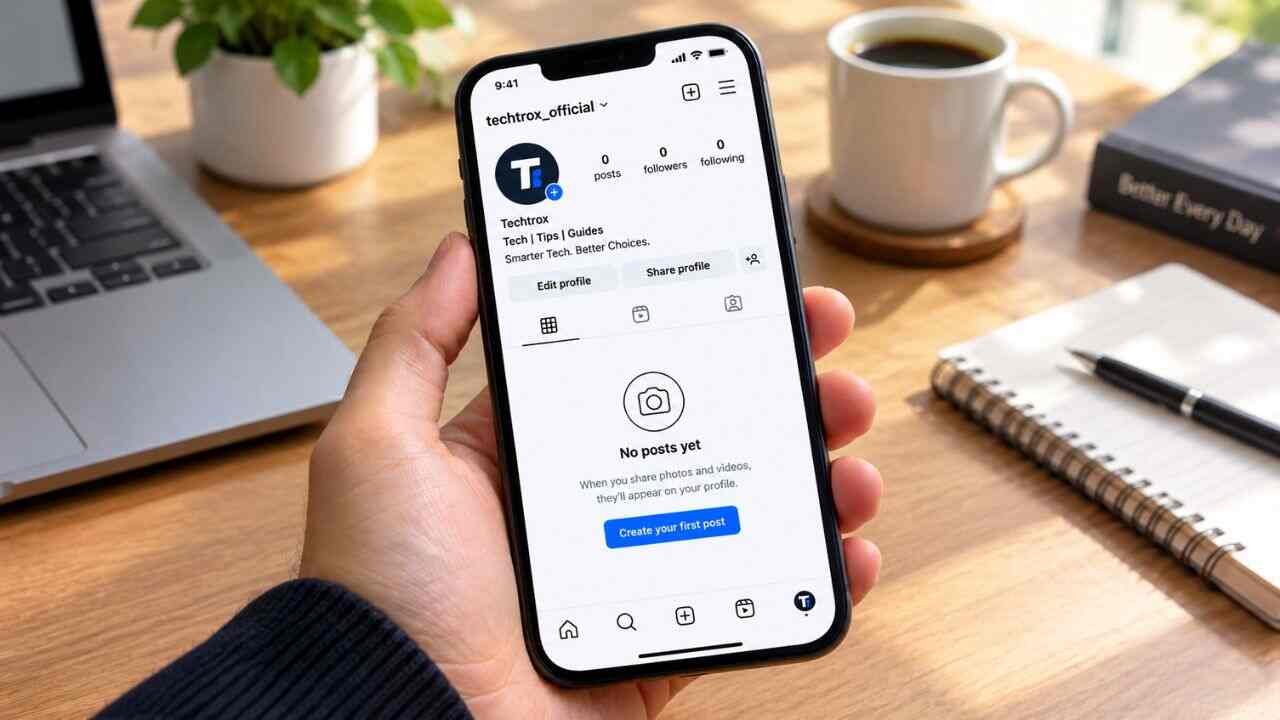
💡 Also Read: [How to Grow an Instagram Account From Zero Followers in 2026]
Step 4: Understand What Facebook’s Algorithm Is Actually Measuring
Meta’s own Transparency Center describes Feed ranking as a few-step process: Facebook gathers everything a person could possibly see, runs it through thousands of signals to predict what they’ll find interesting, then scores and orders it. For a Page with no followers, every post is basically being evaluated cold, so it helps to know which signals carry the most weight in 2026:
- Private shares — someone sending a post through Messenger counts for more than a like, because it reads as a personal recommendation rather than a passive tap
- Early comments — a post that picks up comments in the first hour tends to get pushed further than one that gets the same number of comments spread across a day or two
- How much of the video gets watched — for Reels specifically, this matters more than the raw view count
Captions matter more than they used to as well. Facebook’s system leans on understanding what a post is actually about, so a caption that describes the content clearly helps match it to people who’d actually want to see it — which is the entire point when you’re trying to grow a Facebook Page with no existing audience to fall back on.
Step 5: Track What’s Working Before You Scale Anything
Facebook Insights, inside the Professional Dashboard, shows which posts are actually getting reach and which aren’t — engagement rate, video watch time, where profile visits are coming from. For a Page still near zero, this is useful mainly because it removes guesswork. Instead of assuming Reels are working better than photos, the numbers say so directly.
Checking Insights once a week is usually enough. Looking after every single post tends to lead to overreacting to normal ups and downs rather than spotting an actual pattern — which topics get comments, which times of day get faster responses, which posts are earning shares instead of just likes.
Step 6: Post Consistently, Not Constantly
Volume matters less than people think; a steady schedule matters more. Buffer’s 2026 research on Facebook growth points to posting at consistent times — early weekday mornings tend to perform well for a lot of Pages — since gaps in posting read as inactivity to the algorithm and get deprioritized.
For anyone working to grow their Facebook Page, a handful of posts a week that can actually be kept up long-term beats posting every day for two weeks and then disappearing for a month. Facebook seems to favor Pages it can count on showing up, not ones that burst and go quiet.
Step 7: Engage With Your Niche Daily
A Page with zero followers gets noticed partly through its own posts and partly through how it shows up elsewhere. Facebook’s ranking also factors in the relationship between accounts, so commenting on other Pages and Groups in the same niche does more than build goodwill — it puts the Page in front of the algorithm more often.
Joining a few relevant Facebook Groups and actually contributing useful answers, replying to every comment on the Page’s own posts, and closing posts with a direct question all generate the kind of activity the algorithm tends to reward. It’s also worth inviting people who’ve reacted to a post to follow the Page — that option exists inside Facebook and takes a minute to use each week.
Should You Boost Posts While Still Growing From Zero?
Facebook Ads Manager lets a Page pay to extend a post’s reach beyond its current audience, and it’s a fair thing to ask about early on. The short version: boosting works on posts that are already getting comments and shares on their own. It amplifies something that’s working — it doesn’t fix a post that isn’t.
For most Pages still sitting near zero, the first few weeks are better spent figuring out the niche, format, and posting rhythm without spending anything, and putting budget behind ads later, once there’s a post worth amplifying.
Mistakes That Keep New Pages Stuck at Zero Followers
Buying followers is the most common one, and it tends to backfire. Purchased followers are usually fake or inactive accounts that never engage, and that drags down the Page’s overall engagement rate — which is exactly what the algorithm is measuring. A bought follower count can make it harder to genuinely grow a Facebook Page, not easier.
Dropping the Page link into every post before there’s any reason for people to trust it is another one. It reads as promotion rather than something worth following, and posts that look like spam tend to get shown less, not more.
Then there’s niche-hopping — changing topics every few weeks because growth feels slow. This resets whatever the algorithm had started to learn about the Page, usually right before that understanding would have started paying off.
How Long This Realistically Takes
There’s no fixed timeline for how long it takes to grow a Facebook Page from zero. Pages that stick with a clear niche and post consistently tend to see real movement within a few months, though this depends heavily on how competitive the niche is. The first few weeks are almost always slow and uneven — one Reel can outperform everything posted before it, once the algorithm has enough data to know who to show it to.
The Pages that stall usually aren’t the ones with weak content. They’re the ones that gave up, switched topics, or started spamming links right before things would have started compounding.
Conclusion: Zero Followers Is a Starting Point, Not a Verdict
Learning how to grow a Facebook Page from zero in 2026 takes longer than most people expect going in. But the process itself is straightforward: a specific niche, a properly set-up Page, Reels-first content, a look at Insights every week, and real engagement in relevant Groups. None of that is fast, but all of it keeps working the longer a Page sticks with it — which is more than can be said for a bought follower count.
💡 Also Read: [ WhatsApp Down? 7 Real Reasons Behind Outages in 2026]
About the Author
Waqar Ahmad is a tech and digital lifestyle writer with over 6 years of experience covering social media platforms, AI tools, and the online earning space. He writes to make platform algorithms and growth strategy practical for everyday creators and small business owners.
Frequently Asked Questions
1. How long does it take to grow a Facebook Page from zero followers?
Most Pages that stay consistent see real traction within a few months, depending on the niche and how often the Page posts. The first few weeks are usually the slowest.
2. Can I manage a Facebook Page from my phone, or do I need a computer?
Either works. Meta Business Suite runs as a browser version on desktop and laptop, and as an app on Android and iPhone. Setup tends to be easier on a computer; day-to-day replies and posting are usually quicker from the phone.
3. Should a new Facebook Page post Reels or regular photos?
Mostly Reels, at least early on. Feed posts reach people who already follow the Page, while Reels get pushed to people who don’t — and reaching non-followers is the whole point when there’s no audience yet.
4. Does buying Facebook followers help a new Page grow?
No. Bought followers are usually inactive or fake accounts, and they drag down the engagement rate the algorithm actually cares about. Trying to grow a Facebook Page this way often backfires more than starting honestly at zero.
5. Is boosting posts worth it for a brand-new Facebook Page?
Only once a post is already earning organic comments and shares. Boosting extends reach on something that’s working — it won’t turn a flat post into an engaging one. Most new Pages get more out of a few unpaid weeks first.
6. What’s the biggest mistake new Facebook Pages make?
Posting without picking a specific niche. It’s the single biggest reason Pages stay near zero longer than they need to, since it gives the algorithm nothing consistent to match content against.
Sources
- Facebook for Creators — Official Meta resource on Reels, Professional Dashboard, and Page growth tools
- Meta’s Transparency Center — Our Approach to Facebook Feed Ranking — Official ranking signal guidance
- Buffer — How to Get More Followers on Facebook for Free in 2026 — Verified growth strategy research
- SocialPilot — Facebook Algorithm Explained: How It Works in 2026 — Independent algorithm signal breakdown