Table of Contents
- A Quick Snapshot of Every Gumroad Problem and Its Fix
- What Gumroad Actually Is, Briefly
- Why Gumroad Problems Are Getting Searched So Much Right Now
- Problem 1: The Payout Threshold Jumped from $10 to $100
- Problem 2: Payouts Stuck in “Risk Review”
- Problem 3: Sudden Account Suspensions
- Problem 4: Refunds Issued Without the Creator’s Consent
- Problem 5: PayPal No Longer Works With Gumroad
- Problem 6: Stolen Content and Slow Copyright Response
- Problem 7: Low Sales and Overestimating Discover Traffic
- Problem 8: Buyers Can’t Download Their Purchase
- Should You Still Use Gumroad, or Look at Alternatives?
- Frequently Asked Questions
- Final Thoughts
Search “Gumroad” on Google right now and the second or third suggestion is almost always something like “is Gumroad safe” or “Gumroad payout stuck.” That’s not a coincidence. Across Reddit threads, Trustpilot, the Better Business Bureau, and even TikTok, a clear pattern has formed: people either want to know if the platform is trustworthy before they start selling, or they’re already selling and stuck on a specific, frustrating issue with their money.
This piece pulls together every recurring Gumroad problem currently circulating online, explains what’s actually happening behind each one, and gives you a real way to handle it — not vague advice, but the specific steps that have worked for other sellers dealing with the same Gumroad problems.
Read Our Article About New Youtube policies
A Quick Snapshot of Every Gumroad Problem and Its Fix
Before going deep into each one, here’s the full list of Gumroad problems people are actually dealing with right now, along with the fastest way to handle each.
| Problem | What’s Happening | Quick Fix |
|---|---|---|
| Payout threshold raised to $100 | Minimum balance needed before payout jumped from $10 | Bundle sales, wait it out, or request a payout schedule change in settings |
| Payouts stuck in risk review | Automated fraud system holds funds for weeks | Contact support with transaction proof; avoid repeated verification attempts |
| Sudden account suspension | Account locked with little or no explanation | Read the Terms of Service violation notice; appeal with documentation |
| Refund issued without consent | Fraud algorithm reverses a legitimate sale | Dispute through support; keep buyer communication as evidence |
| PayPal not working | PayPal ended its agreement with the platform in October 2024 | Switch to direct bank transfer or check regional payout options |
| Copyright theft not resolved quickly | Reports can take days with automated replies | Report through the DMCA process directly, not just a support ticket |
| Low or no sales | Discover marketplace only drives 10–20% of most sellers’ traffic | Build an external audience before relying on internal discovery |
| Buyer can’t download file | Happens more often during high-traffic launches | Manually resend the file link from the Sales tab |
What Gumroad Actually Is, Briefly
For anyone landing on this article without prior context, Gumroad is a digital commerce platform that lets creators sell things like ebooks, templates, courses, software, and Notion systems directly through a simple product link, without building a full website. It has no monthly subscription fee and instead takes a percentage of each sale.
It’s been part of the creator economy since 2011 and has processed well over a billion dollars in total creator sales. Since January 1, 2025, Gumroad has also operated as the full Merchant of Record on every transaction, meaning the platform itself calculates, collects, and remits sales tax, VAT, and GST worldwide on a seller’s behalf. That scale, plus the tax handling, is exactly why the Gumroad problems covered below matter so much — a huge number of independent sellers rely on this one platform for both their income and their compliance.
Why Gumroad Problems Are Getting Searched So Much Right Now
Search interest around Gumroad problems has climbed noticeably in 2026 for a fairly specific reason: several structural changes hit at once. A quiet payout threshold increase, an aggressive automated fraud system that Gumroad has now formally written into its Terms of Service, and the earlier loss of PayPal support all converged in the same year, and creators dealing with real money losses tend to talk about it publicly — on Reddit, in Trustpilot reviews, and increasingly in short TikTok videos aimed at other digital product sellers facing the same Gumroad problems.
Problem 1: The Payout Threshold Jumped from $10 to $100
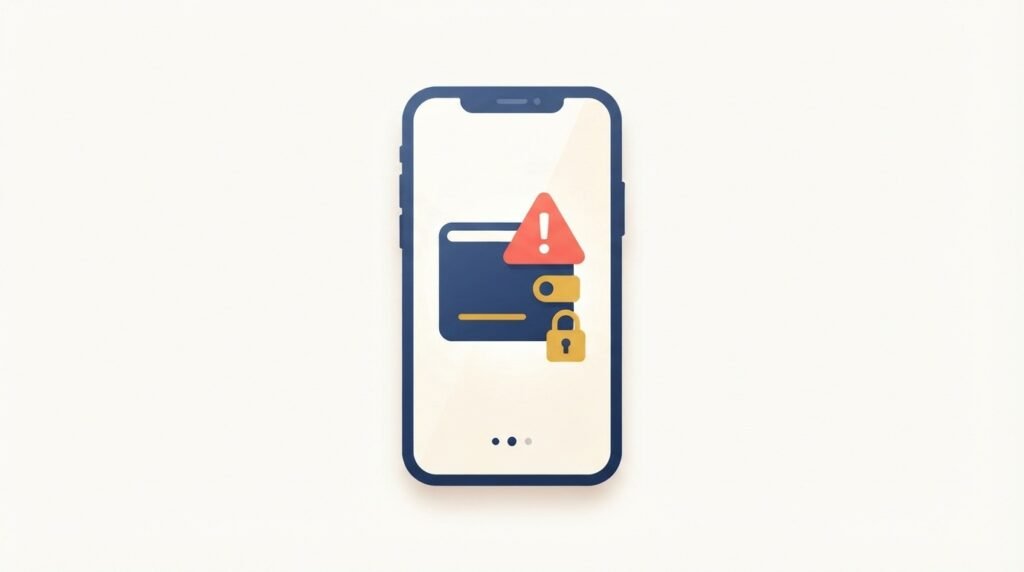
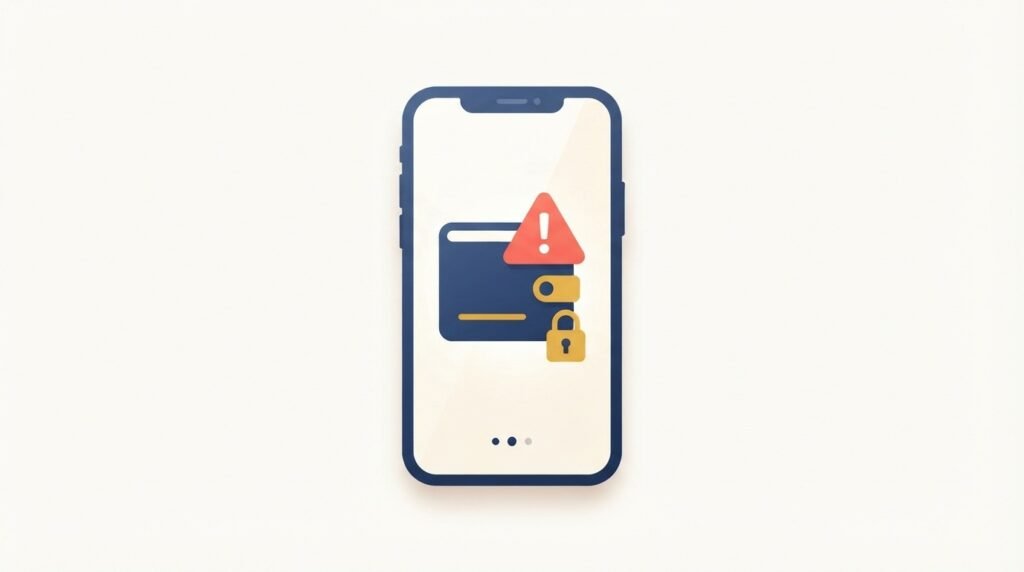
This is one of the most talked-about Gumroad problems of the past year. For most of its history, Gumroad let sellers cash out once their balance hit $10. In March 2026, that minimum quietly rose to $100 in many regions, a 900% increase that wasn’t clearly announced in advance.
For a creator earning $20 or $25 a month from a single low-priced ebook, this means waiting four or five months just to see their first payout, instead of receiving money almost immediately. Independent commentary tracking this Gumroad problem has pointed to fraud reduction and lower processing costs on small transactions as the platform’s likely reasoning, though Gumroad has not published a detailed public explanation of the exact motivation.
How to work around it: Combine multiple related digital products into a bundle so each sale carries more value toward that $100 balance faster. You can also check your payout settings, since some regions and account types still show different thresholds. If cash flow is genuinely tight because of this Gumroad problem, it may be worth pricing your product slightly higher rather than very low, since fewer, larger sales reach the threshold faster than many tiny ones.
Problem 2: Payouts Stuck in “Risk Review”
This is probably the single most-discussed Gumroad problem across the Better Business Bureau and Trustpilot, and it’s the complaint that shows up most often whenever people compare notes on Gumroad problems in creator forums. A creator makes legitimate sales, hits the payout minimum, completes identity verification, and then finds their payout marked as “skipped” or under review, sometimes for weeks or months at a time with little communication.
This isn’t random, and it’s no longer just an informal pattern sellers have pieced together from experience. In an update to its Terms of Service that took effect August 30, 2026, Gumroad formally wrote in the authority to place holds on a seller’s earnings, pause, decline, or delay any payout, based on suspected policy violations, elevated chargeback risk, misleading marketing, incomplete identity verification, or a payment partner’s own requirements — and the updated terms don’t specify a maximum hold period or a guaranteed release timeline. In practice, this means the “risk review” experience sellers have complained about for years is now something Gumroad is contractually entitled to do, not just an aggressive fraud system acting on its own.
How to fix it: Reach out to support directly and attach concrete proof — order numbers, buyer confirmations, and screenshots of your verified account status. Avoid re-submitting verification documents repeatedly in a short window, since that pattern itself can look suspicious to an automated system and extend the hold rather than resolve it. Patience paired with clear documentation resolves most of these Gumroad problems eventually, even though the wait is genuinely frustrating, and even more so now that there’s no contractual deadline forcing a resolution.
Read Our Complete Article About Facebook Partnerships Program
Problem 3: Sudden Account Suspensions
Closely related to payout holds is the sharper version of the same issue, and arguably the scariest of all the Gumroad problems on this list: full account suspension. Sellers report waking up to a locked dashboard with no clear explanation, sometimes after years of clean sales history.
According to the platform’s own help documentation, suspensions generally trace back to a Terms of Service violation, a payment processor (like Stripe) flagging the account, or excessive refund activity that puts the platform at financial risk. The frustrating part for sellers dealing with this specific Gumroad problem is that the exact trigger is rarely spelled out in detail, since revealing precise enforcement patterns would make it easier for genuine bad actors to work around them.
How to fix it: Start by reviewing Gumroad’s own suspension policy page, which explains the general categories that lead to enforcement. Then contact support with a calm, specific message describing your product type and sales history, and ask exactly which policy was triggered. Creators who provide clear documentation and avoid escalating with repeated angry messages tend to get faster, more useful responses than those who don’t.
Problem 4: Refunds Issued Without the Creator’s Consent
This is one of the more unsettling Gumroad problems reported recently, and one that catches even experienced sellers off guard. In one documented case, a creator’s automated fraud system reversed a $733.50 sale on its own, even though the buyer had paid normally, received the product, and never filed a complaint or a chargeback.
This happens because the platform’s fraud scoring system can flag a transaction as suspicious purely based on patterns like card type, purchase size, or buyer location, regardless of whether the buyer or seller actually reports a problem — which is part of what makes this particular Gumroad problem feel so unfair to the sellers it affects.
How to fix it: If this happens to you, contact support immediately with the buyer’s confirmation that the purchase was intentional and undisputed. Keep a habit of saving buyer messages and receipts for any high-value sale, since that documentation is exactly what turns a stuck dispute into a resolved one for this kind of Gumroad problem. For creators regularly selling higher-ticket digital products, it’s also worth building an email list outside the platform so you retain a direct relationship with your buyer even if a transaction gets flagged.
Problem 5: PayPal No Longer Works With Gumroad
Among all the Gumroad problems tied to payments specifically, this one has lasted the longest without a full resolution. In October 2024, PayPal ended its service agreement with Gumroad without much advance warning. The practical effect has lingered well into 2026: buyers in a number of countries can no longer pay with PayPal, and sellers who relied on PayPal for payouts in regions without direct bank transfer support suddenly lost access to their earnings method entirely.
There’s now an added wrinkle worth knowing before switching away from PayPal. An August 2026 update to Gumroad’s terms introduced a forfeiture rule: if a seller changes their payout country or payout method and has an unpaid balance sitting in a third-party account, like PayPal, that can’t be transferred to the new setup, that balance is forfeited once the change takes effect. Gumroad is required to notify the seller of the amount and get confirmation before processing the switch, but the responsibility still falls on the seller to withdraw or transfer any pending balance first.
How to fix it: Check whether your country supports direct bank transfer payouts, since Gumroad has gradually expanded that option since the PayPal change. Before switching your payout method, withdraw or transfer any balance sitting with your current provider first, so nothing gets left behind and forfeited in the process. If neither bank transfer nor PayPal is available where you live, that’s a genuine limitation worth knowing before you build a business around the platform. Sellers dealing with this Gumroad problem in affected regions have had success working around it by partnering with a co-seller or business contact in a supported country, though that comes with its own tax and legal considerations worth researching first.
Read our Complete Article About Facebook Monetization Tools
Problem 6: Stolen Content and Slow Copyright Response
This is a quieter entry on the list of Gumroad problems, but it matters a great deal to designers and course creators specifically. Designers and course creators have reported finding their exact work re-uploaded by someone else’s account, sometimes discovered days or weeks after the theft occurred. Trustpilot reviews describe reporting the same stolen listing multiple times over a short period and receiving what appeared to be automated response emails while the infringing product stayed live.
How to fix it: A direct support ticket alone is often too slow for this specific Gumroad problem. File a formal DMCA takedown notice instead, which creates a legal paper trail and typically moves faster than a general complaint. Include direct links to both your original listing and the stolen copy, along with timestamps proving your original publication date, since that specificity helps the review move faster than a vague report.
Problem 7: Low Sales and Overestimating Discover Traffic
Not every one of these Gumroad problems is about money getting held up — some are simply about expectations not matching reality. A recurring complaint from newer sellers is simply: “I published my product and nothing sold.” This usually traces back to a misunderstanding about how the platform actually generates traffic. Gumroad’s internal marketplace, called Discover, typically accounts for only 10 to 20 percent of a typical seller’s revenue.
How to fix it: Treat the platform as a checkout and delivery tool, not a marketing engine, and this particular Gumroad problem mostly resolves itself. Sales come from bringing your own audience — a newsletter, a social media following, or SEO-driven blog traffic — directly to your product link. Creators who reached six and seven figures on the platform almost universally had an existing audience first, then used the platform purely to handle payment and delivery.
Problem 8: Buyers Can’t Download Their Purchase
The last of the major Gumroad problems worth covering here is smaller in scale but still disruptive when it happens during a big launch. Sellers running high-traffic launches occasionally report a spike in buyers messaging that their download link isn’t working, particularly when many purchases happen within the same short window.
How to fix it: Check the Sales tab in your dashboard, find the affected order, and manually resend the file link, which resolves the vast majority of these Gumroad problems within minutes. If it happens repeatedly on a single listing, re-upload the source file itself, since a corrupted upload rather than a delivery bug is sometimes the real cause.
Should You Still Use Gumroad, or Look at Alternatives?
None of these Gumroad problems mean the platform is a scam or that it should be avoided outright. It remains a genuinely fast way to get a first digital product live, and the underlying business has processed enormous volumes of legitimate creator sales since 2011. It’s also worth weighing against the fact that Gumroad handles global tax compliance for you as Merchant of Record — VAT, GST, and sales tax calculated and remitted automatically, which is one real burden a lot of alternative platforms leave entirely on the seller.
The honest takeaway is that the platform works best for sellers who already have some audience and treat it purely as a payment, delivery, and tax-compliance layer, rather than sellers depending on it for both traffic and cash flow reliability — the exact combination that leads to most of the Gumroad problems covered in this guide.
If the payout threshold, holds, or PayPal limitation genuinely don’t fit your situation — three of the more disruptive Gumroad problems for sellers who depend on steady cash flow, and the payout-hold issue in particular is now written directly into Gumroad’s terms — platforms like Payhip, Sellfy, and Lemon Squeezy have positioned themselves specifically as lower-friction alternatives with different fee structures and payout rules, and it’s worth comparing a couple of them against your specific country and product type before committing long-term.
Frequently Asked Questions
The questions below cover the Gumroad problems people ask about most often when they’re trying to figure out what’s normal and what genuinely needs action.
Is Gumroad actually safe to use in 2026? For buyers, yes — payments are processed through standard, PCI-compliant systems, and digital delivery is automatic. For sellers, the platform itself is legitimate, and it’s handled as Merchant of Record so tax compliance isn’t your problem, but the documented payout holds, sudden suspensions, and the new $100 threshold are real operational risks worth planning around rather than ignoring.
Why did my Gumroad payout suddenly get skipped? This is almost always tied to the platform’s automated risk review system, which can flag legitimate accounts based on transaction patterns rather than any actual wrongdoing — one of the more common Gumroad problems sellers run into without warning. As of an August 2026 update to Gumroad’s terms, this kind of hold is now something the platform is explicitly authorized to do, with no fixed timeline for release. Contacting support with clear documentation is still the most reliable way to get it resolved.
Can I get my Gumroad account unsuspended? Sometimes, yes. Review the general suspension categories in the platform’s help documentation, then send a specific, evidence-backed appeal describing your product and sales history rather than a general complaint. Clean documentation genuinely improves your odds of resolving this Gumroad problem.
Why doesn’t PayPal work on Gumroad anymore? PayPal ended its partnership with the platform in October 2024. Some countries now rely entirely on direct bank transfer payouts instead, and a small number of regions currently have no supported payout method at all. If you’re switching away from PayPal, withdraw any balance first — an August 2026 policy update means unpaid balances that can’t transfer to your new payout method get forfeited.
Is the $100 payout minimum permanent? There’s no public indication the threshold will return to its previous $10 level. Sellers earning smaller amounts should plan around longer payout cycles or consider bundling products to reach the threshold faster and reduce the impact of this Gumroad problem on their cash flow.
Should I stop using Gumroad because of these problems? Not necessarily. Most of these Gumroad problems affect a subset of sellers rather than everyone, and the platform still offers one of the fastest paths to publishing a first digital product with tax compliance handled for you. The smarter approach is going in with realistic expectations about payout timing, fraud sensitivity, and where your actual sales traffic will come from.
Final Thoughts
The Gumroad problems generating the most attention right now — the payout threshold hike, risk-review holds now written directly into the platform’s Terms of Service, sudden suspensions, and the PayPal gap with its new forfeiture risk — are all well-documented and, in most cases, fixable with the right response rather than panic. None of them erase the fact that the platform remains one of the simplest ways for an independent creator to start selling digital products with zero upfront cost and tax compliance handled automatically. The difference between a smooth experience and a frustrating one usually comes down to understanding these specific risks ahead of time, keeping clean records of every sale, and not relying on the platform alone to bring you buyers.